
Good morning!
This month’s Invested explores how geopolitics, energy markets, and broader social trends are shaping the economic landscape. The articles that we curated examine the escalating tensions with Iran and what they mean for oil prices, inflation risks, and the role commodities play as a geopolitical hedge in portfolios. We also look at the growing strain on caregivers’ mental health, and highlight thought-provoking reads on family office education, renewable energy expansion, and why a little friction in fast-moving systems may actually make economies more resilient.
Happy Reading!

VIEWPOINT SPOTLIGHT
INSIGHTS FROM THE VIEWPOINT TEAM
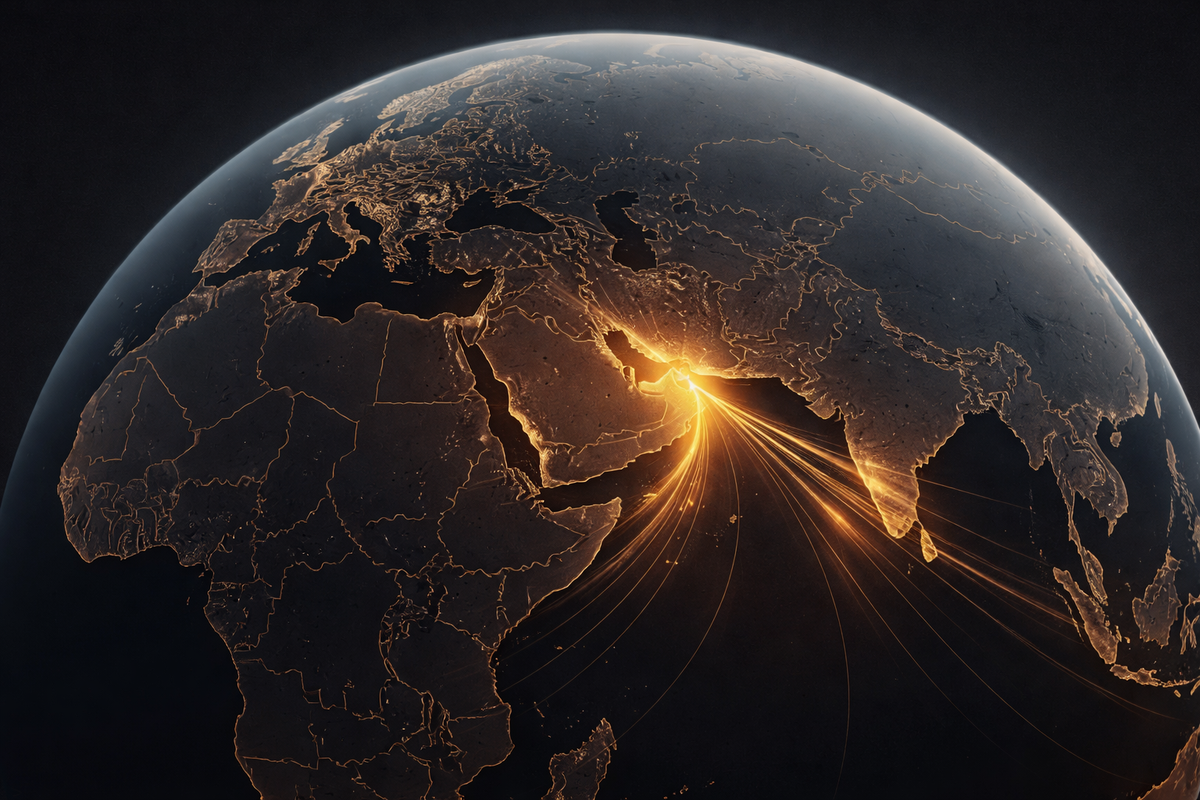
IRAN, MIDTERM INCENTIVES, AND THE ENERGY RISK PREMIUM: NOT JUST AN OIL STORY
Geopolitical tensions with Iran are raising energy market volatility ahead of U.S. midterms, but history suggests regime change is unlikely and sustained price spikes require structural supply disruptions. The bigger risk may be a renewed incentive for nuclear deterrence and broader energy-system shocks beyond oil. For investors, commodities remain a key geopolitical hedge. Read CIO Scott Smith’s full analysis for deeper insight.


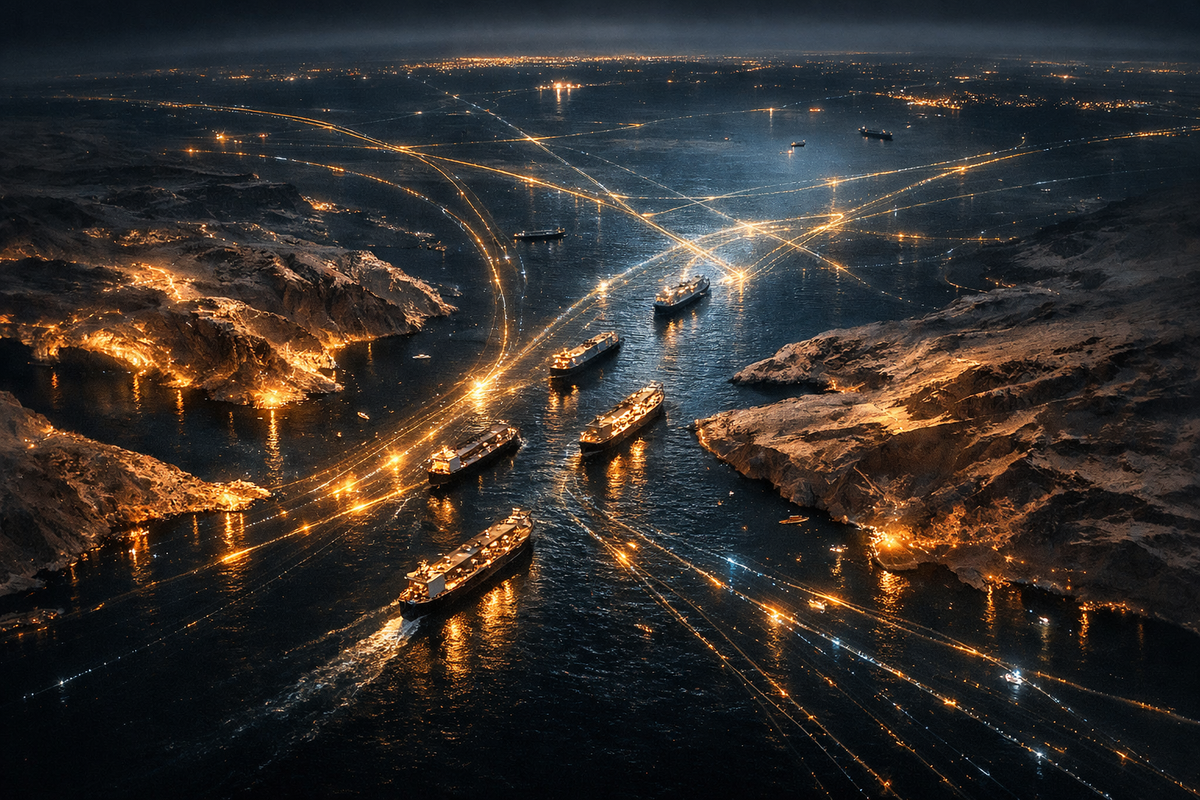
IRAN WEEK TWO: THE OFF-RAMP IS NARROWING AND THE RISKS ARE BROADENING
Escalating conflict with Iran is disrupting global energy flows and fertilizer supply, pushing oil toward $120 and raising broader inflation risks. While a negotiated off-ramp remains the most likely outcome, delays could amplify economic damage and raise recession risks. The episode highlights how commodities act as crucial geopolitical and supply-chain hedges in diversified portfolios. Read CIO Scott Smith’s full analysis for deeper insight.
INSIGHTS FROM THE VIEWPOINT FOUNDATION
EXPLORING PHILANTHROPIC TRENDS & IMPACTFUL INITIATIVES

THE STATE OF CAREGIVERS’ MENTAL HEALTH
Caregivers are an essential but often overlooked pillar of health systems. Across Canada, millions provide unpaid care for loved ones while facing elevated risks of stress, depression, and financial strain. This article from the Viewpoint Foundation discusses how as populations age and health systems rely more on informal support, protecting caregivers’ mental health through community supports, respite programs, and policy attention is becoming an urgent public health priority.
MARCH’S INVESTMENT PULSE
WHAT TODAY’S MODERN MARKET TRENDS REVEAL ABOUT INVESTOR THINKING
AN ATTACK ON THE WORLD ECONOMY
Iran is understandably the topic of the moment right now. This article from The Economist digs into it as well. War between the United States and Iran has triggered a sharp energy shock, with the near-closure of the Strait of Hormuz disrupting global oil and gas supplies. Prices have surged, exposing the world’s vulnerability to geopolitical energy risks. Even if the conflict subsides, markets, policymakers, and businesses now face a more volatile era defined by energy insecurity and heightened inflation pressures.
OIL PRICES ARE SPIKING: CAN A SOLAR TYCOON CONVINCE AMERICA TO EMBRACE THE SUN
Shawn Qu, founder of Canadian Solar, is expanding solar manufacturing in the United States despite political resistance to renewable energy. As oil prices spike and geopolitical tensions rise, Qu argues solar offers both climate and energy security benefits. Read about his ambitious factory expansion aims to revive U.S. manufacturing while accelerating the transition to cheaper, rapidly growing solar power in this article from the Financial Post.
PODCAST PICK
UNLOCKING INSIGHTS, ONE EPISODE AT A TIME
WAR IN IRAN IS CREATING A FERTILIZER CRISIS LIKE NEVER BEFORE
This episode of Odd Lots discusses how oil prices have surged amid the Iran conflict, but the episode explores a less discussed consequence: a growing global fertilizer crisis. With major fertilizer exports disrupted through the Strait of Hormuz, supply shortages could ripple into agriculture and food prices worldwide. The discussion examines how energy geopolitics can quickly spill into food security and inflation risks.

MORE TO EXPLORE
CURATED READS FOR THE INQUISITIVE

EDUCATION CAN HELP FAMILY OFFICES OVERCOME THEIR BIGGEST CHALLENGES, BUT CANADA HAS FALLEN BEHIND
Canada’s family office ecosystem is still developing, with education and research lagging behind the U.S. and Europe. This article from Canadian Family Offices explores how academics and institutions such as the University of Ottawa’s Family Enterprise Legacy Institute are working to close the knowledge gap. Their programs aim to help wealthy families improve governance, succession planning, and stewardship while preparing the next generation of family enterprise leaders.

SHOULD WE AIM FOR A FRICTIONLESS WORLD?
The modern economy increasingly prioritizes speed, from financial trading to supply chains and digital services. But eliminating all friction can make systems fragile. Examples like flash crashes, ride-hailing inefficiencies, and supply chain disruptions show that delays and buffers often provide stability. Read about how thoughtfully designed friction can help complex systems self-correct and remain resilient despite rapid technological progress in this article from the Financial Times.