
Good morning! Dive into this month’s Invested newsletter for the latest trends and insights—from surging precious metals and MAGA’s mounting cognitive dissonance to a sobering reality check on alternative investments. We also explore shifting markets, ETF momentum, inflation signals, and surprising demographic trends. Curious how war forecasting works or why aging might drive future growth? We’ve got you covered. Happy reading!

VIEWPOINT SPOTLIGHT
INSIGHTS FROM THE VIEWPOINT TEAM
Viewpoint Quarterly Commentary Now Available!
Markets rebounded in Q2 despite trade tensions, volatile headlines, and a weakening U.S. dollar. Stronger global equities, resilient economic data, and fiscal stimulus have buoyed risk assets—especially in Europe and Canada. But with tariffs looming and policy risks rising, is the recovery built to last? Can markets outrun politics in the second half of 2025? Check out our Commentary for more info!



The Catalysts Are Converting: Platinum & Palladium Reignite
Platinum and palladium have surged in 2025, driven by tight supply, resilient demand, and shifting investor sentiment. With rising hybrid sales, fading gold appeal, and geopolitical risk reshaping commodity strategies, PGMs are back in focus. Yet most benchmarks still ignore them—creating opportunity. This article from CIO Scott Smith asks the question: Are you missing the most compelling metals rally of the year?
JULY’S INVESTMENT PULSE
What Today’s Modern Market Trends Reveal About Investor Thinking

Alternative Investment Reality Check
As Family offices flock to alternative investments, veteran consultant Richard M. Ennis delivers a sobering reality check: high fees, lackluster performance, and post-2008 underperformance suggest the “alts” promise may be more myth than magic. Are investors chasing outdated narratives at the expense of real returns? Find out what Ennis thinks before you take the plunge. Curious? Read the full article from Canadian Family Offices below.
Asset Managers Launch Active ETFs at Record Pace
Asset managers are launching active ETFs at a record pace in 2025, outnumbering passive ETF launches for the first time. With lower fees than mutual funds and growing popularity among younger, digital-first investors, active ETFs are being embraced for their flexibility, downside protection, and performance potential. Is this the beginning of a new ETF era, or just a trend? Read more in this article from the Financial Times to decide.

Bank of Canada Says Inflation Expectations Easing As Businesses Hold Off Passing On Tariff Price Hikes
Canadian businesses are bracing for rising costs but holding back on price hikes as weak demand and stiff competition force them to absorb tariff-related expenses. Inflation expectations among firms are easing, but consumers still expect high prices ahead—especially for vehicles. Could this be a temporary pause or a sign of deeper economic strain? Find out what’s really driving the numbers in the full article from the Financial Post below.
INSIGHTS FROM THE VIEWPOINT FOUNDATION
EXPLORING PHILANTHROPIC TRENDS & IMPACTFUL INITIATIVES

When Loyalty Collides with Logic: The Current State of the MAGA Movement
When loyalty to a leader clashes with mounting contradictions, how do followers respond? This article explores the MAGA movement’s psychological tightrope as Trump’s ties to Jeffrey Epstein challenge core beliefs. From memory lapses to public backlash, the dissonance is getting harder to ignore. Could this be the beginning of a break in the base? Read on to find out.
PODCAST PICK
UNLOCKING INSIGHTS, ONE EPISODE AT A TIME

How Geopolitical Analyst Predicts the Outcomes of War
When war erupts, markets move, but can geopolitical risk be predicted with any degree of science? In this episode of Odd Lots, Andrew Bishop of Signum Global explains how he analyzes conflicts like Israel-Iran to forecast market impacts on oil, grain, and more. Investors rely on him to stay ahead. Can you really forecast the future of war? Find out now.

MORE TO EXPLORE
CURATED READS FOR THE INQUISITIVE

What Caused the ‘Baby Boom’? What Would It Take to Have Another?
Why did birth rates soar in the mid-20th century and could it happen again? The postwar baby boom wasn’t just about economic optimism. It was a perfect storm of science, technology, housing policy, and cultural momentum. Today’s falling fertility rates may not be solved with cash alone. Could tomorrow’s breakthroughs in fertility medicine spark a new boom? Read the full article by Derek Thompson to find out.
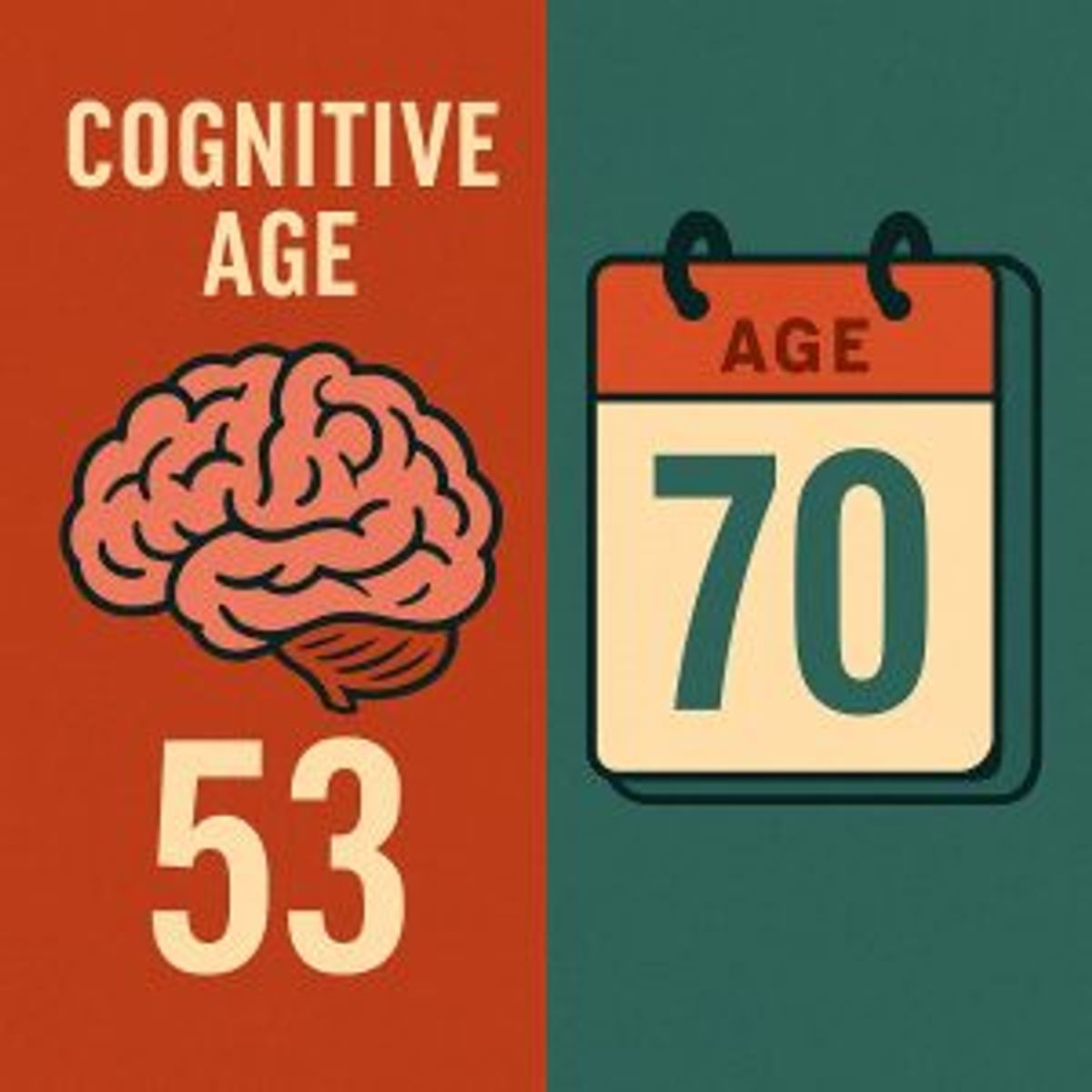
The Path to 2075 – The Positive Story of Global Aging
Despite fears of a demographic time bomb, global aging may be an economic asset, not a liability. Goldman Sachs researchers argue that longer, healthier lives and extended working years are defusing the dependency ratio crisis, with older adults now staying productive well into their 70s. Could “70 is the new 53” be the key to sustainable growth by 2075? Read on to decide.